The Advantages of Using a Membrane Bioreactor for Efficient Water Purification
Wiki Article
Just How Membrane Bioreactors Are Changing Water Purification Equipments
The appearance of membrane layer bioreactors (MBRs) represents a significant development in the field of water filtration, merging biological therapy procedures with cutting-edge membrane filtering modern technologies. As global water scarcity magnifies, the function of MBRs in assisting in drinkable water reuse and lasting water management ends up being increasingly vital.Review of Membrane Layer Bioreactors
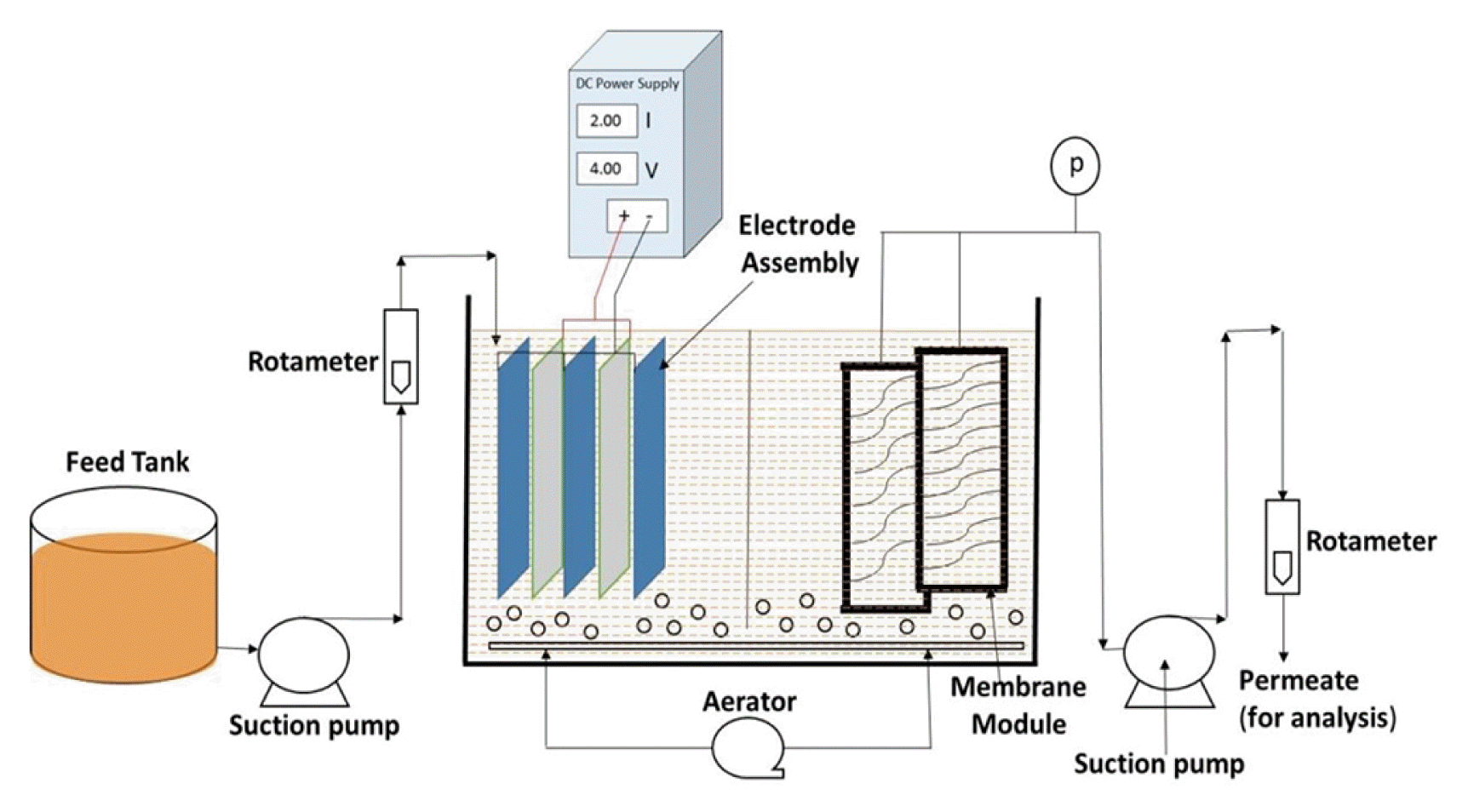
Membrane layer bioreactors (MBRs) stand for a significant advancement in water filtration innovation, as they integrate biological treatment procedures with membrane layer filtering. This integration enhances the performance of wastewater therapy by using bacteria to deteriorate organic pollutants while at the same time utilizing semi-permeable membranes to different cured water from suspended solids and virus.The MBR system commonly contains a biological reactor where the microbial populace metabolizes pollutants, followed by a membrane layer filtration device that maintains biomass and allows just clean water to pass through. This twin performance causes greater effluent quality compared to conventional treatment approaches. MBRs can be run in both set and continuous circulation modes, offering adaptability in design and application.
They likewise make it possible for the healing of water for reuse, hence adding to water sustainability initiatives. Generally, MBRs are at the center of improving water treatment performance and quality, showcasing the potential for ingenious options in ecological management.
Advantages of MBR Innovation
The assimilation of organic treatment with membrane filtration provides many benefits for water purification processes. One of the primary benefits of Membrane Bioreactor (MBR) technology is its capability to successfully get rid of both not natural and natural contaminants, leading to premium effluent. The membrane layers function as a physical obstacle, stopping suspended solids and microorganisms from going through, which improves the overall security and reliability of treated water.Additionally, MBR systems need a smaller footprint contrasted to standard therapy approaches, permitting for extra reliable area use. This small design is particularly beneficial in urban setups where land is restricted. MBRs likewise demonstrate functional adaptability, suiting varying influent qualities and circulation prices without considerable performance destruction.
In addition, the procedure provides enhanced nutrient elimination abilities, particularly for nitrogen and phosphorus, which are vital for avoiding eutrophication in getting waters. The reduced sludge manufacturing connected with MBR technology also converts to lower disposal prices, making it a cost-efficient option in the future - Membrane Bioreactor. On the whole, the advantages of MBR technology setting it as a leading choice for cutting-edge and sustainable water filtration systems, addressing both ecological and economic worries
Applications in Water Purification
Applications of Membrane Layer Bioreactor (MBR) innovation in water purification are varied and impactful, dealing with numerous treatment requires throughout multiple markets. MBRs efficiently incorporate biological therapy processes with membrane layer filtration, making them excellent for community wastewater therapy, commercial effluent monitoring, and even safe and clean water reuse initiatives.In metropolitan settings, MBRs are significantly employed to improve the high quality of treated wastewater, permitting compliance with strict discharge policies and promoting the recycling of water for watering and non-potable usages. Their compact design also makes them suitable for urban environments where area is limited.
Industrially, MBR innovation is used to deal with procedure water and wastewater, particularly in industries such as food and beverage, pharmaceuticals, and textiles. By his response efficiently eliminating pollutants and put on hold solids, MBRs aid sectors decrease ecological influences while recouping useful sources from wastewater streams.
Moreover, MBRs are gaining traction in decentralized water therapy applications, where small systems can be deployed in remote areas or developing regions. This versatility allows communities to achieve lasting water monitoring options, boosting accessibility to tidy water while decreasing reliance on traditional therapy techniques.
Case Studies and Success Stories

In another instance, a textile production facility in Bangladesh adopted MBR modern technology to address its wastewater difficulties. The system decreased chemical oxygen need (COD) levels from 1,200 mg/L to much less than 100 mg/L, therefore fulfilling regulative standards and considerably decreasing environmental impact.
The University of Cape Community's MBR setup has actually shown efficient in dealing with greywater for non-potable reuse on school. This task not only preserves potable water yet also works as an instructional design for lasting practices.
Moreover, a seafood handling plant in Norway utilized MBR technology to deal with effluents containing high levels of raw material, accomplishing over 90% contaminant elimination. These study highlight MBR technology's flexibility and its essential function in improving water top quality throughout diverse applications.
Future of Water Treatment Solutions
As international water scarcity and contamination obstacles intensify, ingenious water therapy remedies are becoming significantly vital to make sure lasting accessibility to clean water. The future of water therapy copyrights on the assimilation of advanced modern technologies that enhance the efficiency and efficiency of purification processes. Membrane layer bioreactors (MBRs) go to the leading edge of this advancement, incorporating organic therapy with membrane layer purification to produce premium effluent suitable for various applications.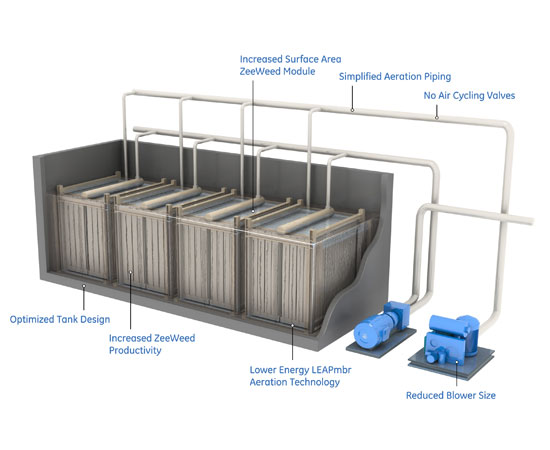
Arising fads such as source recuperation from wastewater, including nutrients and energy, will certainly additionally change treatment facilities into environmentally friendly hubs. Innovations in nanotechnology and membrane layer materials guarantee improved efficiency and longevity of filtering systems.
Final Thought
To conclude, membrane layer bioreactors represent a significant development in water purification modern technologies, successfully combining organic treatment with innovative membrane layer filtration. The countless advantages, consisting of enhanced effluent quality and minimized spatial requirements, make MBRs specifically suitable for city applications. Their role in safe and clean water reuse and sustainable water monitoring highlights their importance in dealing with worldwide water scarcity obstacles. Continued research study and growth will better improve the efficiency and adoption of MBR modern technology, ensuring a durable future for water therapy services.The introduction of membrane layer bioreactors (MBRs) stands for a significant development in the area of water filtration, combining organic treatment processes with advanced membrane filtering modern technologies. As international water deficiency magnifies, the function of MBRs in facilitating drinkable water reuse and sustainable water administration ends up being progressively important. They additionally make it possible for the recuperation of water for reuse, hence adding to water sustainability initiatives.As global water scarcity and pollution address challenges magnify, innovative next water treatment solutions are becoming increasingly important to make sure sustainable access to tidy water. Their duty in safe and clean water reuse and lasting water administration highlights their significance in addressing global water deficiency difficulties.
Report this wiki page